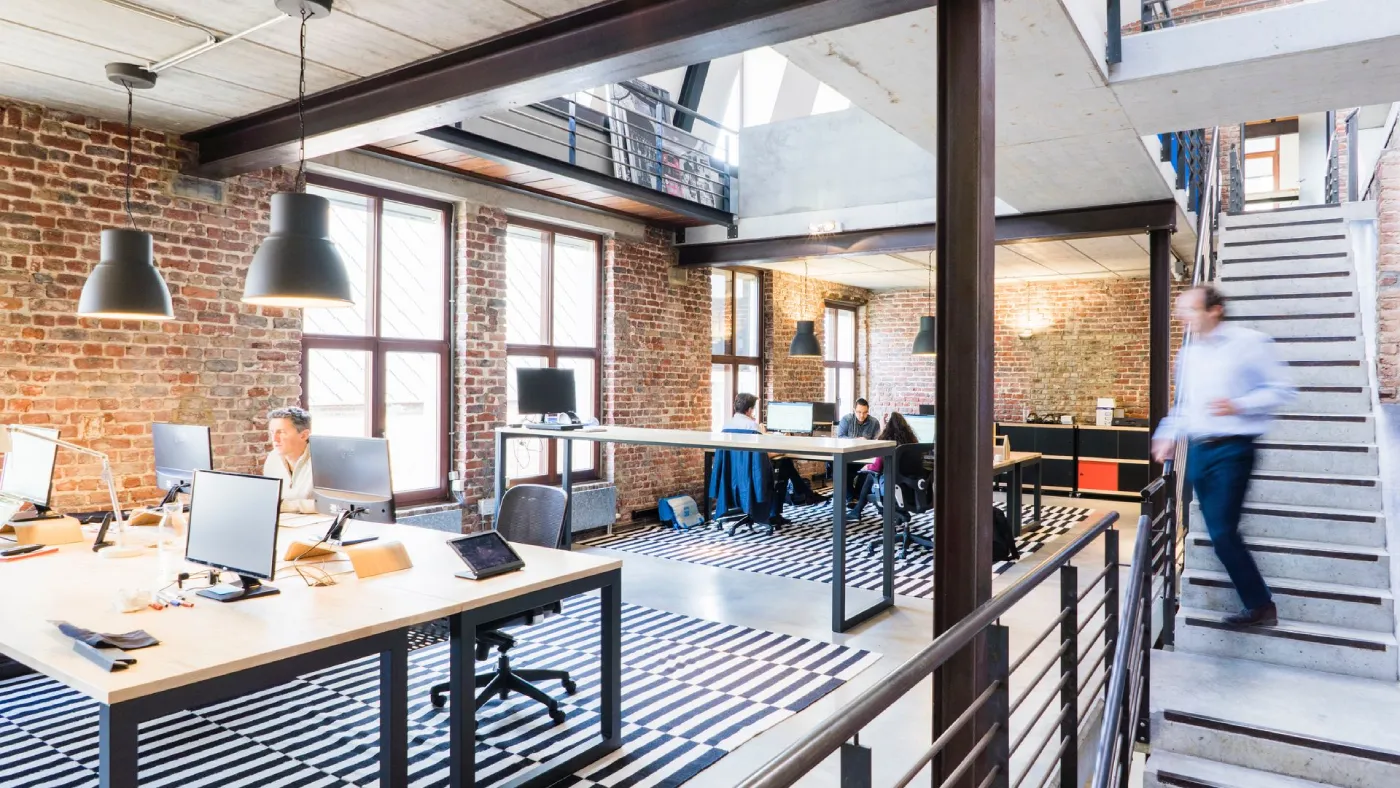
The Complete Guide to Office Fitout in Dubai: Scope, Process & Costs


Download the Reno App Now!
.png)
Office fitouts directly influence how businesses operate, collaborate, and present themselves. Beyond aesthetics alone, a well-executed office fitout directly impacts functionality, employee productivity, workflow efficiency, and overall workplace experience.
In Dubai, office fitouts also involve a layer of approvals, compliance requirements, building regulations, and execution planning that businesses need to account for before work begins. Whether a company is moving into a shell-and-core unit or upgrading an existing office, fitout decisions quickly become both operational and financial decisions.
This guide covers what is typically included in an office fitout in Dubai, how the fitout process works, and what factors influence overall project costs.
How to Define the Scope of an Office Fitout in Dubai
Here are the key elements typically included in an office fitout scope:
1. Space Planning and Layout Design
Space planning forms the foundation of any office fitout project. The layout needs to balance functionality, circulation, collaboration, privacy, and future adaptability while reflecting the company’s operational requirements and brand identity.
This stage usually includes planning for:
- workstations
- cabins and executive offices
- meeting rooms
- breakout spaces
- reception areas
- collaborative zones
- pantry and utility areas
Modern office layouts increasingly prioritise flexibility and efficiency rather than purely decorative design. Businesses today want spaces that can evolve with changing team sizes, hybrid work models, and operational needs over time.
2. MEP (Mechanical, Electrical, and Plumbing) Works
MEP systems are one of the most critical technical components of an office fitout. These systems determine how efficiently and safely the office functions on a day-to-day basis.
This stage typically includes:
- HVAC planning and air conditioning systems
- electrical layouts and power distribution
- lighting systems
- data and network points
- plumbing requirements for pantries and washrooms
Since office buildings in Dubai operate within predefined building systems and regulations, all MEP work must align with compliance standards and landlord requirements.
3. Civil and Structural Modifications
Most office fitouts involve some level of civil work to create the required layout and functionality. Depending on the scope, this may include:
- drywall partitions
- ceilings
- flooring installation
- glass partitions
- minor structural adjustments
- storage integration
However, modifications are often subject to landlord, developer, and authority guidelines, especially within commercial towers and free zones. Certain structural changes may require additional approvals before execution can proceed.
4. Interior Finishes and Fixtures
Interior finishes shape the overall visual identity and user experience of the office space. Businesses today increasingly look for fitouts that feel modern, functional, and aligned with their brand positioning without compromising practicality and durability.
This stage typically includes:
- flooring finishes
- ceiling treatments
- wall finishes
- lighting fixtures
- furniture and seating
- joinery and storage solutions
The challenge is usually balancing aesthetics with long-term maintenance, usability, and operational practicality.
5. Technology and Smart Office Integration
Technology integration is becoming a core part of modern office fitouts in Dubai. Businesses today require workplaces that support seamless communication, connectivity, and operational efficiency.
This may include:
- networking and structured cabling
- AV and meeting room setups
- access control systems
- CCTV and security integration
- smart office systems and automation features
As hybrid and digitally connected workplaces continue evolving, technology planning is becoming a much larger consideration during fitout execution.
How Does Office Fitout Process in Dubai Work
Here are the typical steps office fitout experts at RENO take:
1. Requirement Finalisation and Design Brief
Every office fitout begins with understanding how the business intends to use the space. This stage involves identifying operational requirements, team structures, workflow needs, and overall design objectives.
Approvals are a critical part of office fitouts in Dubai and often have a major impact on project timelines. Scope clarity at the beginning helps reduce revisions, cost escalations, and execution delays during the project lifecycle.
2. Design Development and Approvals
Once requirements are defined, the project moves into design development. Concept layouts gradually evolve into detailed technical drawings covering civil, MEP, and design elements. At this stage, submissions are usually made for:
- landlord approvals
- developer approvals
- authority submissions
- NOCs and compliance documentation
Approvals are an important part of office fitouts in Dubai and often influence project timelines significantly. Missing documentation or revisions can delay execution if not planned properly.
3. Contractor Selection and BOQ Finalisation
Selecting the right contractor is one of the most important decisions in the fitout process. Businesses typically evaluate:
- experience and technical capability
- project management quality
- execution reliability
- timelines
- pricing and BOQ clarity
A detailed BOQ helps define material specifications, scope inclusions, quantities, and execution expectations clearly before work begins. This reduces ambiguity and helps control budget overruns later during execution.
4. Execution and Project Management
Once approvals and procurement are in place, site execution begins. This stage involves coordination across multiple teams including civil contractors, MEP specialists, suppliers, joinery teams, and installation crews.
Project management becomes critical during execution because multiple activities often run simultaneously across different stages of the fitout. Structured coordination helps:
- maintain timelines
- reduce rework
- improve communication
- ensure smoother execution sequencing
Without proper supervision and coordination, delays and execution gaps can escalate quickly.
5. Inspections, Snagging, and Handover
Before final handover, the project typically goes through inspections, snagging, rectifications, and compliance checks. This stage ensures that:
- systems function correctly
- finishes meet quality standards
- approvals are completed
- unresolved issues are addressed before occupancy
Final documentation and handover are completed once all snagging items are resolved and the office is ready for operational use.
What Influences Office Fitout Costs in Dubai
Office fitout costs in Dubai vary significantly depending on the size of the office, the scope of work, material specifications, technical complexity, and level of customisation involved.
One of the biggest pricing factors is the condition in which the office is handed over:
- shell and core
- partially fitted
- fully fitted
Shell-and-core spaces usually require significantly higher investment since all civil, MEP, and interior works need to be executed from scratch.
Other major factors affecting fitout costs include:
- quality of finishes and materials
- furniture and joinery requirements
- MEP complexity
- technology integration
- approval and supervision costs
- customisation requirements
Businesses should also ensure that the BOQ clearly defines scope, specifications, quantities, and exclusions before execution begins. Undefined scope is one of the most common reasons fitout budgets escalate during projects.
Most importantly, fitout decisions should not be evaluated purely on price alone. Execution quality, project management capability, coordination efficiency, and long-term reliability often have a much larger impact on the success of the office space overall.
Conclusion
Office fitouts in Dubai involve far more than design and aesthetics. They are operational, technical, and financial projects that require structured planning, compliance management, contractor coordination, and execution oversight.
From layout planning and MEP systems to approvals, procurement, execution, and final handover, every stage of the process plays a role in determining how successful the final workspace becomes.
Businesses that approach fitouts with clear planning, realistic timelines, and experienced execution partners are usually able to create office spaces that support productivity, functionality, and long-term operational value more effectively.
Working with experienced full-service fitout providers can also help reduce coordination gaps, improve execution efficiency, and create a smoother overall project experience from planning through final handover.
Planning an office fitout project in Dubai? Speak with the RENO team today.